Blog
Background:
Heavy menstrual bleeding is a common disorder characterized by excessive blood loss that affects the quality of life of a female in physical, emotional, social and financial aspects.
Heavy menstrual bleeding might be caused due to polyps, fibroids, adenomyosis, irregular ovulation, bleeding disorders, drugs, cancer and other etiologic factors. Physical health problems like iron deficiency anemia and fatigue may also be due to heavy bleeding in menstrual period in some cases.
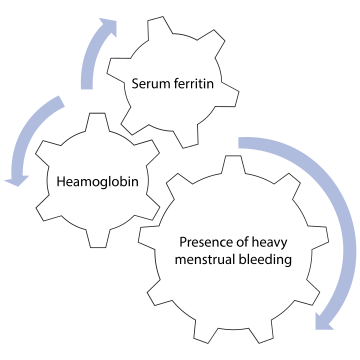
Heavy Menstrual Bleeding and Anemia: Heavy Menstrual bleeding can cause decrease in the amount of hemoglobin and iron level and lead to anemia if not treated. Of all the women having heavy menstrual bleeding 2/3rd of the women suffered from Anemia.
The relationship between above parameters was investigated with factors like hemoglobin amount and serum ferritin level used for detection of anemia. Women with heavy menstrual bleeding had low hemoglobin and serum ferritin levels.
Heavy Menstrual Bleeding and Fatigue: In addition to iron deficiency, fatigue is the most reported symptom in women with heavy menstrual bleeding. The median general fatigue level and interference with daily activity scores were greater in women with heavy menstrual bleeding.
Heavy Menstrual Bleeding associated with anemia and fatigue decrease the quality of life of women. .
Key Take Away Points:
- Heavy menstrual bleeding is common in women.
- Hemoglobin and serum ferritin levels associated with diagnosis of anemia are decreased in heavy menstrual bleeding.
- Fatigue levels get increases with decreased quality of life.
Lastly, effects of Heavy menstrual bleeding on anemia, fatigue and quality of life should be investigated and use of iron preparations should be checked
Reference:
Bitzer J, Heikinheimo O, Nelson AL, Calaf-Alsina J, Fraser IS. Medical management of heavy menstrual bleeding: a comprehensive review of the literature. Obstetrical & gynecological survey. 2015 Feb 1;70(2):115-30.
Blog
The ICMR recommendations on the management of heavy menstrual bleeding
It is crucial to obtain a medical history for complete understanding of the current bleeding episode.
Articles
Efficacy of Combination Therapy of Mefenamic acid and Tranexamic Acid in Heavy Menstrual Bleeding
Dysfunctional uterine bleeding is excessive, prolonged heavy or frequent bleeding of uterine origin which is not due to pregnancy or any systemic or recognizable pelvic disease.
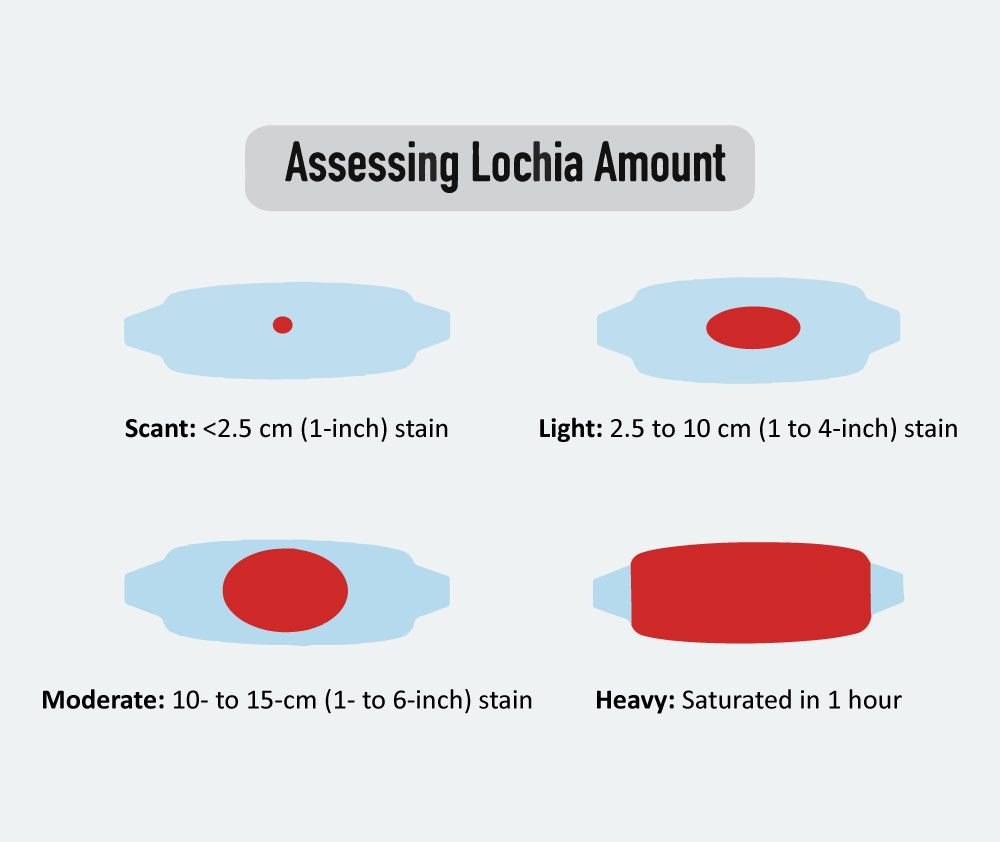
Assessment and Management of Heavy Menstrual Bleeding
Heavy menstrual bleeding (HMB), a prevalent and distressing condition, is primarily defined by the patient's perception and observable signs like frequent pad or tampon changes, large clots, and disruption of daily activities.
Case study

Combination therapy with Mefenamic acid and Tranexamic acid in heavy menstrual bleeding: An Interesting Case Report.
A 32-year-old female patient presented with chief complaints of heavy and prolonged menstrual bleeding for the last 7–8 months.
Efficacy of Mefenamic acid and Tranexamic acid in Management of Heavy Menstrual Bleeding: A Case Report
A 40-year-old female patient with complaint of heavy menstrual bleeding.